The Architects Role: Transforming Your Vision into Reality Through Design
The role of an architect extends beyond simple aesthetics. It involves understanding client requirements and translating them into functional designs. Strong communication and collaboration are essential for successful outcomes. Architects must handle the complexities of materials, technology, and regulations. As they balance visual appeal with practicality, the impact of their work can reshape environments. Still, the journey from vision to reality involves difficulties that reveal the true depth of architectural practice. What complexities lie ahead in this transformative endeavor?
Understanding the Architect's Design Approach
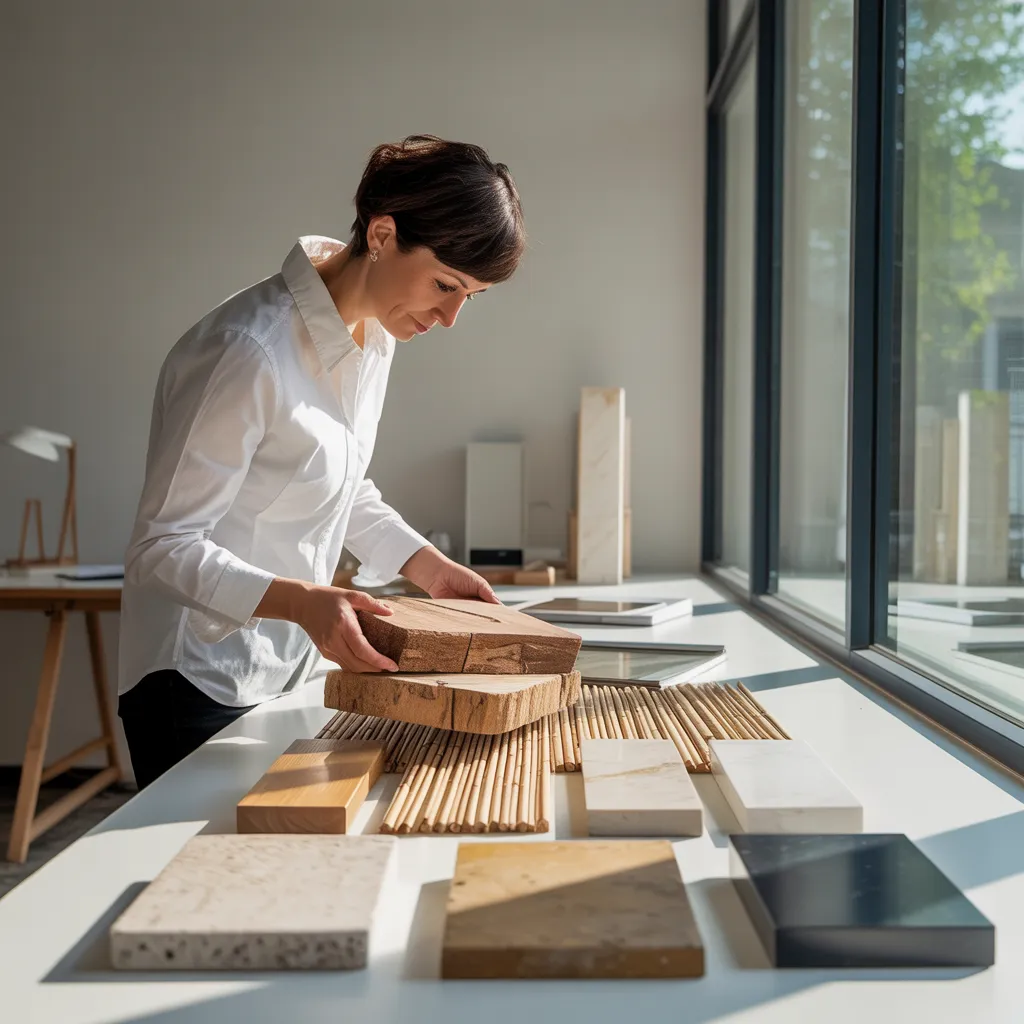
The creative process of an architect constitutes a diverse expedition merging innovative thinking and technical proficiency. It begins with the exploration of concepts, where the architect gathers inspiration from various sources—nature, culture, and historical context. This initial phase encourages innovative thinking, allowing ideas to evolve organically.
As the architect transitions into sketching, these concepts become tangible; preliminary drawings set the groundwork for more refined designs. This stage emphasizes the balance between aesthetics and functionality.
Once the preliminary designs are developed, architects use advanced software to generate detailed models, ensuring precision in structural elements. Within this period, they also consider environmental influences and sustainability, incorporating these elements into the design.
The Significance of Client Partnership in Architectural Planning
Strong client collaboration is crucial in architectural design, as it fosters open communication channels between architects and clients. This exchange of ideas permits the development of a shared design vision that fulfills the client's needs and aspirations. Ultimately, this partnership enhances the overall quality and success of the architectural project.
Clear Communication Networks
Although architects have the knowledge to create innovative designs, the success of any architectural project depends greatly on open communication channels between the architect and the client. Clear communication fosters a collaborative environment where ideas can be freely shared, ensuring that both parties are aligned in their goals. Regular updates and discussions about project status, challenges, and changes help to mitigate misunderstandings and build trust. Architects profit from client feedback, as it provides perspective into the client's needs and preferences, ultimately leading to more tailored solutions. Additionally, establishing a clear communication framework from the outset can streamline decision-making processes, reduce delays, and enhance overall satisfaction with the final outcome. Open channels are essential for translating visions into reality.
Collaborative Design Approach
Collaboration stands as the cornerstone of a successful architectural design process, where a shared vision between the architect and the client can greatly enhance project outcomes. This synergy cultivates a deeper understanding of the client's expectations, choices, and ambitions, allowing the architect to create designs that resonate on both functional and emotional levels. Incorporating clients in brainstorming sessions and design reviews encourages open dialogue, ensuring that their insights are integrated into the project. By establishing a shared vision, architects can identify challenges and adapt solutions proactively, resulting in more efficient workflows. Eventually, this collaborative approach not only leads to innovative designs but also develops lasting relationships, resulting in satisfied clients who feel their vision is genuinely reflected in the final product.
Harmonizing Visual Design and Functionality in Architecture
In the realm of architecture, the challenge of balancing aesthetics and functionality is paramount, as each project must not only appeal to the eye but also serve its intended purpose effectively. Architects must handle the intricate interplay between visual appeal and practical use, ensuring that each design element contributes to the overall experience of the space.
While stylistic selections can evoke emotion and create a memorable identity, functionality stays critical for daily operations. A well-designed building should support movement, boost usability, and provide comfort, all while representing an artistic vision.
To accomplish this balance, architects commonly employ creative materials and design methods that harmonize beauty with practicality. By examining the requirements of the users and the environment, architects can design spaces that are both impressive and practical. Eventually, effective architecture surpasses mere visual impression, embodying a seamless fusion of form and function.
Supervising Financial and Standards in Design
In the management of view this budget and regulatory matters, architects must implement effective budget allocation strategies to guarantee project viability. They also face the challenge of traversing local regulations, which can notably impact design decisions. Ultimately, finding cost-effective design solutions becomes crucial for balancing financial constraints with regulatory compliance.
Budget Distribution Strategies
Effective budget allocation methods are essential for architects maneuvering the complexities of design projects. These methods involve a careful assessment of project needs, prioritizing elements based on priority and impact. Architects often commence by establishing a clear financial framework, identifying fixed and variable costs associated with materials, labor, and permits. By using cost estimation tools, they can create detailed budgets that accommodate unexpected expenses. Joint discussions with clients further refine these budgets, ensuring alignment with the client's project vision. Additionally, architects may explore different materials or innovative design solutions that provide cost savings without compromising quality. In the end, effective budget allocation not only improves project feasibility but also fosters a transparent relationship between architects and clients, paving the way for successful project execution.
Navigating Local Codes
Steering through local regulations is a crucial aspect of the architectural design process, influencing both project timelines and budget constraints. Architects must be well-versed in zoning laws, building codes, and environmental regulations unique to their jurisdiction. These guidelines determine everything from the structural integrity of the building to its aesthetic compatibility with neighboring structures. Failure to comply can result in costly delays, fines, or the need for redesigns. An effective architect collaborates with local authorities early in the design phase, making sure all necessary permits are obtained and potential issues are detected proactively. This strategic navigation not only facilitates the construction process but also protects the project's financial health, allowing the vision to be realized without unnecessary complications.
Cost-Effective Design Services
Navigating budget constraints with regulatory compliance presents a considerable challenge for architects. To address this, architects often utilize cost-effective design solutions that maximize resources while complying with local regulations. These strategies include choosing sustainable materials that reduce long-term maintenance costs and incorporating energy-efficient systems that minimize utility expenses. Additionally, architects can streamline designs by reducing unnecessary features, thereby maximizing usable space without compromising aesthetics. Collaboration with contractors early in the design process can also yield insights into practical cost-saving measures. By leveraging advanced design software, architects can create accurate models that facilitate budget assessments and compliance checks, ensuring that projects remain financially viable and legally sound throughout development. Such approaches ultimately enhance project outcomes while satisfying both client expectations and regulatory demands.
Green Methods in Architectural Design
Sustainable practices in architecture have appeared as a significant focus for contemporary architects working to lessen environmental impact while boosting the productivity and functionality of buildings. These practices comprise a collection of strategies focused on reducing resource consumption, cutting carbon emissions, and fostering ecological balance. Architects increasingly emphasize the use of sustainable materials, energy-efficient systems, and creative design techniques that integrate with the surrounding environment.
One notable strategy is the implementation of passive solar design, which maximizes natural light and heat, minimizing reliance on artificial energy sources. Moreover, water conservation methods, such as rainwater harvesting and greywater recycling, are being implemented in building designs to foster sustainability. Furthermore, green roofs and living walls enhance biodiversity while improving air quality. By embracing these sustainable practices, architects play a crucial role in shaping a more environmentally responsible future, ensuring that their designs benefit both the community and the planet.
How Technology Is Revolutionizing Architecture Today?
The incorporation of technology within architecture is reshaping the design and construction processes, enabling architects to create innovative and efficient structures. Advanced software tools, such as Building Information Modeling (BIM), promote precise planning and collaboration among stakeholders, minimizing errors and elevating project outcomes. Virtual reality (VR) and augmented reality (AR) allow architects to visualize spaces and designs more effectively, delivering clients with immersive experiences before construction commences. Additionally, automated design algorithms help optimize building performance by analyzing various factors such as sunlight, wind patterns, and energy efficiency. Drones and 3D printing are also becoming crucial in construction, allowing for faster site assessments and the creation of complex structures with reduced labor costs. As technology continues to evolve, architects are increasingly equipped to address challenges related to sustainability, functionality, and aesthetic appeal, ultimately transforming the built environment into more responsive and adaptive spaces.
Project Case Studies of Outstanding Architectural Projects
Examining successful architectural projects showcases the innovative solutions and impressive designs that define contemporary architecture. One outstanding case is the Bosco Verticale in Milan, Italy, which incorporates nature into urban living, displaying vertical gardens that promote biodiversity. The project not only elevates air quality but also creates a stunning skyline.
One remarkable project is the High Line in New York City, a repurposed raised railway transformed into a public park. This initiative revives urban space, stimulates community engagement, and exemplifies sustainable design practices.
The Barangaroo Reserve in Sydney demonstrates a outstanding fusion of indigenous culture and current design, creating a vibrant public space that honors the locale's history. These case studies show how architects can effectively translate vision into reality, managing environmental challenges while cultivating community connections. Each project serves as a testament of the vital role architects play in shaping the built environment.
Questions & Answers
How Long Will the Architectural Design Process Generally Take?
The architectural design process typically takes several months to over a year, contingent upon how complex the project is, customer requirements, and regulatory approvals. Every stage—from the concept stage to final design—influences the complete schedule and final outcome.
What Qualifications Should I Search for in an Architect?
When searching for an architect, one must prioritize qualifications such as licensure, relevant experience, a strong portfolio, strong communication skills, and knowledge of local building codes and regulations to secure a successful collaboration and project outcome.
How Can I Communicate My Vision Effectively to My Architect?
For effective communication, you should convey concepts in a clear manner, supply visual references, and talk about priorities transparently. Engaging in cooperative discussion makes certain the architect grasps the vision, producing a design that aligns with the client's goals.
What Are Common Misconceptions About Working With Architects?
Widespread false beliefs about working with architects include the notion that they only concentrate on aesthetics, that their services are out of reach financially, and that they control design choices without client input. In reality, cooperative dialogue are fundamental aspects of the process.
How Do Architects Navigate Project Changes During the Design Phase?
Architects coordinate project changes during the design phase by keeping open communication with clients, examining implications on schedule and budget, and modifying designs in response. They emphasize flexibility while confirming the project vision is retained and strengthened.