Transform Your Home With Experienced Architectural Design Services
Upgrading a home through professional architecture services involves more than just appearance. It requires a deep understanding of practical layout and local building codes. Partnering with an knowledgeable design professional can address typical issues while boosting property worth. The process is methodical and meticulous, guaranteeing that every detail aligns with the homeowner's objectives. Yet, many homeowners have difficulty to navigate this journey productively. What steps can they take to secure a successful working relationship?
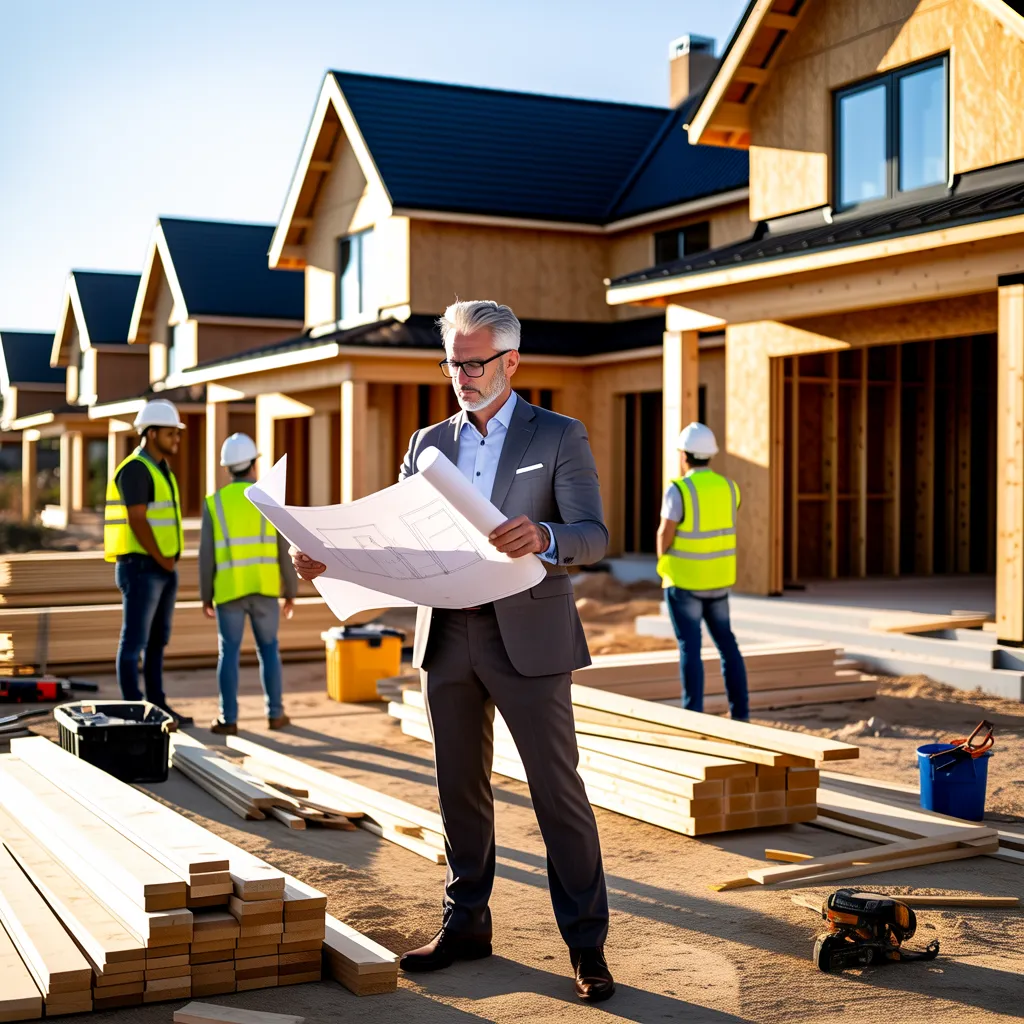
Common Home Design Problems and How Architects Aid
What makes home design so challenging for many homeowners? The intricacy of balancing aesthetic preferences with practical requirements often frustrates them. Homeowners often grapple with space limitations, financial restrictions, and regulatory requirements, hindering the design process. Additionally, many lack the technical expertise needed to address structural considerations and building codes.
Architects play an crucial role in mitigating these challenges. Their training equips them to manage the intricacies of design, guaranteeing that a homeowner's vision corresponds with realistic realities. Architects can provide innovative solutions to maximize space while conforming to safety standards. They also assist in developing unified designs that embody the homeowner's style. By offering guidance into resources and construction methods, architects help streamline the decision-making process. Finally, their expertise converts a possibly daunting endeavor into a cooperative journey, fostering a balanced balance between creativity and practicality in residential planning.
Perks of Consulting a Professional Architect
Partnering with a expert designer boosts the residential design process by uniting expert knowledge with the client's perspective. Architects offer a wealth of experience in design principles, legal requirements, and green methods, guaranteeing that the project not only achieves aesthetic goals but also follows compliance requirements. Their talent for conceptualizing and explain multifaceted thoughts facilitates adapting conceptual frameworks into realized blueprints.
Furthermore, architects can provide innovative solutions to spatial challenges, improving arrangement and usability. They also oversee the intricacies of the construction process, collaborating with contractors and suppliers to ensure timelines and budgets are adhered to. This expert supervision reduces possible mistakes and reduces the pressure linked to home construction or remodeling. Ultimately, collaborating with an architect results in a thoughtfully crafted, unified space that embodies the homeowner's character while boosting overall home worth.
What Represent the Important Steps in the Building Design Process?
How does the building design process develop from initial idea to finish? The journey starts with an first meeting, where the architect and customer discuss goals, needs, and budget. This phase is essential for establishing a distinct direction. Next, the architect performs location evaluation, evaluating factors like terrain, weather conditions, and building codes.
After this, the design stage starts. In this phase, sketches and digital models are made, permitting the client to envision the project. When the design is approved, the architect assembles detailed construction documents, including specifications and drawings.
With required permits secured, the project enters the building stage. The architect often collaborates with contractors to ensure that the design is executed correctly. Frequent site visits and assessments help maintain quality and compliance to the initial vision. Finally, the project concludes in a walkthrough, confirming that the finished structure meets the client's expectations before the official transfer.
What's the Most Effective Way to Choose the Ideal Architect for Your Home?
Locating the perfect designer for a home involves careful evaluation and research. Prospective homeowners should begin by determining their particular requirements and financial plan, which will guide their search. Suggestions from friends, family, or property professionals can offer valuable connections. Internet collections of work and reviews assist with evaluating an architect's past projects and customer contentment.
Next, potential clients should engage multiple candidates to determine their speaking approach, expertise, and strategy for design. It's essential to discuss project parameters and timeline expectations to guarantee mutual understanding. In addition, checking credentials and verifying appropriate certifications and licenses can circumvent subsequent difficulties.
Finally, property owners should rely on their gut feelings. The ideal architect should not only possess the necessary skills but also align with the homeowner's vision and values. This collaboration fosters a working relationship, ultimately leading to a fruitful collaboration in building a dream home.
Strategies for Conveying Your Objectives Efficiently
Communicating a direction for home design effectively is important for a solid partnership between homeowners and architects. To attain this, homeowners should commence by explicitly identifying their desires and inclinations. Assembling a mood board with images, tones, and materials can facilitate communicating aesthetic wishes. Additionally, specifying functional requirements, such as room size and arrangement, ensures that the architect grasps practical considerations.
Property owners should also engage in frank discussion, encouraging inquiries and input to improve their direction. Frequent meetings throughout the design process encourage collaboration and transparency. Using clear communication to convey thoughts and worries can prevent confusion and help match expectations.
Finally, being receptive to the architect's knowledge allows for a more dynamic exchange of ideas. By combining personal vision with professional insight, homeowners can facilitate a constructive relationship that leads to a beautifully designed space reflecting their aspirations.
How to Budget for Architectural design Services
As you start a home design project, determining a budget for architecture services is necessary to prevent financial strain later. Homeowners should begin by researching typical fees in their area, which can vary based on the project's complexity and the architect's experience. It is advisable to allocate a percentage of the overall project cost specifically for architectural services, typically ranging from 5% to 15%.
Next, customers should evaluate the range of offerings required—whether they require comprehensive design and project management services or just preliminary discussions. Having transparent conversations with potential architects about their fee structures can offer insight on expenses.
Additionally, property owners should consider possible changes and unforeseen costs, creating a financial cushion in their budget. By explicitly establishing their financial parameters upfront, customers can ensure they choose an design professional who aligns with their vision while staying complete guide inside their budget constraints.
Common Questions Asked Regularly
What Options of Architecture Can I Choose for My Home?
Homeowners may pick from various architectural styles, encompassing modern, traditional, colonial, Mediterranean, and contemporary. Each style offers distinctive aesthetics and performance, permitting individuals to demonstrate personal preference while accounting for regional influences and environmental factors.
What Duration Does the Architectural Process Typically Demand?
The design process typically demands a number of months, depending on scope complexity, design approvals, and local ordinances. Components such as stakeholder input and construction schedules can also shape the timeline greatly across the duration.
Can Architects Provide Assistance With Sustainable Planning Options?
Architects can absolutely help with sustainable design alternatives. They integrate eco-friendly materials, efficient energy systems, and creative floor plans, ensuring projects minimize environmental impact while maximizing functionality and aesthetic appeal, matching with clients' sustainability goals effectively.
What Qualifications Should I Find When Selecting an Architectural Expert?
When appointing an architectural professional, one should take into account their formal training, professional standing, track record with pertinent projects, compilation of work displaying their design approach, and comprehension of local architectural guidelines. Communication skills and client testimonials also hold significant importance in the decision-making process.
How Do Architects Manage Zoning and Permit Challenges?
Architects navigate regulatory challenges by conducting thorough research on regional requirements, assembling required paperwork, and liaising with municipal authorities. Their knowledge ensures compliance, expediting the permitting timeline for client projects effectively.